
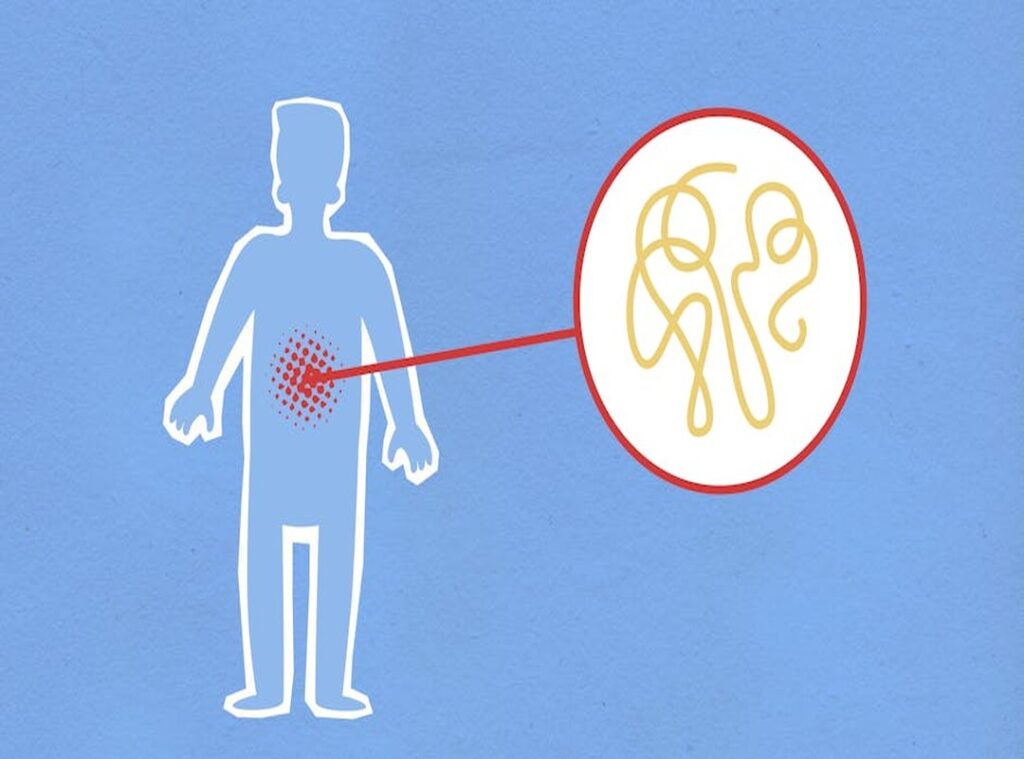
The French term for stomach worms or intestinal worms is ديدان البطن بالفرنسية. If you’re in a situation where you need to talk about this with a French-speaking doctor or pharmacist, or if you’re researching health info for a trip, it’s good to know the right words. This article isn’t just about giving you a translation.
It’s also about providing the essential vocabulary, symptom descriptions, and context you need to discuss this issue in French. You’ll feel more prepared and confident. Understanding these terms can be crucial for getting the right help and treatment when you’re abroad.
Essential French Vocabulary for Intestinal Health
Let’s dive into some key terms you need to know. First up, ‘Vers intestinaux’ means ‘Intestinal worms’ in English. This is the main phrase we’ll be focusing on.
Oxyures, or pinworms, are very common in children (enfants). If your kid is scratching a lot at night, this might be the culprit.
Ténia, also known as Ver solitaire, refers to tapeworms. These can be a bit more serious and often come from undercooked meat.
Ascaris, or roundworms, are another type of intestinal worm. They can cause a range of symptoms and are more common in developing countries.
Symptômes, or symptoms, can vary. You might experience anything from mild discomfort to severe pain, depending on the type of worm.
Traitement, or treatment, usually involves medication. Your doctor will prescribe something specific based on the type of worm.
Médicament, or medication, is crucial. Make sure to follow the prescribed dosage and duration to get rid of the worms completely.
Speaking of doctors, Médecin is the term for a doctor. It’s important to see one if you suspect you or your child has worms.
Pharmacie, or pharmacy, is where you’ll pick up your medication. Don’t forget to ask the pharmacist if you have any questions about the treatment.
Now, ديدان البطن بالفرنسية translates to ‘Vers intestinaux’ in French. It’s good to know this if you’re dealing with medical professionals who use both languages.
I hope this mini-glossary helps. Knowing these terms can make a big difference when you’re talking to healthcare providers or reading up on the topic.
How to Describe Your Symptoms in French
When you’re dealing with intestinal worms, it’s crucial to describe your symptoms clearly. Here’s a quick guide to help you out during a doctor’s visit.
- Abdominal pain (douleur abdominale)
-
J’ai mal au ventre, and (I have a stomach ache.)
-
Itching (démangeaisons)
- Ça me gratte. (It itches.)
-
Je ressens des démangeaisons anales, and (I feel anal itching.)
-
Nausea (nausées)
-
J’ai des nausées, and (I feel nauseous.)
-
Unexplained weight loss (perte de poids inexpliquée)
- J’ai perdu du poids sans raison. (I’ve lost weight for no reason.)
If you suspect you have ديدان البطن بالفرنسية, you can say: Unitemforce
- Je pense que j’ai des vers. (I think I have worms.)
This list should make it easier to communicate your symptoms effectively.
Understanding the Most Common Types of ‘Vers Intestinaux’

When we talk about ديدان البطن بالفرنسية, we’re talking about some pretty common intestinal worms. Let’s break them down.
Pinworms, or ‘Oxyures’, are tiny and white, and they look like little threads. These worms are super common in kids.
They spread through eggs that can get on hands, clothes, and bedding.
Tapeworms, or ‘Ténia’, are a different story. You usually get these from eating undercooked meat. They can grow really long, sometimes several meters.
Imagine that! It’s like having a string of beads inside you.
Roundworms, or ‘Ascaris’, are often found in places with poor sanitation. You can pick them up from contaminated soil or food. They look like large, pale worms.
Not exactly what you want to find in your body.
These worms can cause a range of symptoms, from mild discomfort to more serious issues. If you think you or someone you know might have one, it’s important to see a doctor. A proper diagnosis is key to getting the right treatment.
Stay aware and stay clean. Wash your hands, cook your meat well, and keep your environment clean. Simple steps can make a big difference.
Discussing Treatment and Prevention with a French Pharmacist
When it comes to treating ديدان البطن بالفرنسية, or worms, the common approach is medication. In France, this is known as ‘un vermifuge.’
Some of these medications are ‘sur ordonnance,’ meaning you need a prescription from a doctor. Others are ‘en vente libre,’ which means you can buy them over-the-counter.
Prevention is just as important. A French pharmacist might give you some key tips, or ‘conseils de prévention.’
Wash your hands well, they’ll tell you. ‘Lavez-vous bien les mains.’ And make sure to cook meat thoroughly. ‘Faites bien cuire la viande.’
Often, the entire family, ‘toute la famille,’ is treated at the same time. This helps prevent reinfection. It’s a smart move, but it’s not always clear-cut.
Sometimes, despite our best efforts, worms can still find their way back.
Your Quick-Reference Guide for Discussing Stomach Worms in French
ديدان البطن بالفرنسية is vers intestinaux. This is the most important term to remember.
- J’ai mal au ventre (I have a stomach ache)
- Je voudrais un vermifuge (I would like an anti-worm medication)
- Pouvez-vous m’aider? (Can you help me?)
With these key phrases, you are now better equipped to handle this health concern in a French-speaking country.
Always consult a médecin or pharmacien for professional medical guidance.