

You’ve probably heard a lot about online personalities like andreea bostanica nud. People are curious, and that’s natural. But it’s also easy to get caught up in the rumors.
The line between public interest and personal privacy is blurry. And with the rise of digital misinformation, it’s getting even more complicated.
This article aims to uncover the reality behind those sensationalist online searches. We’ll explain the technology used to create fake content and discuss its real-world impact.
I want you to understand how to spot false information. It’s important, especially if you want to navigate the internet more responsibly.
If you’re someone who wants to know the mechanics of online rumors and protect yourself and others from digital deception, this guide is for you.
Why Sensational Rumors Spread Like Wildfire
You might think it’s just about the shock value. But there’s more to it. Gossip and shocking content tap into our curiosity and fear of missing out.
It’s like a psychological itch we can’t help but scratch.
Social media algorithms are part of the problem. They’re designed to keep us engaged, and what keeps us engaged? Controversy and drama.
The more reactions a post gets, the more it’s promoted. Even if it’s not true.
Some argue that people should know better, and that they should fact-check before sharing. But let’s be real.
In the moment, when you see something that grabs your attention, you might share it without thinking. And once it’s out there, it spreads like wildfire.
There’s also a financial angle. Websites and anonymous accounts make money from ad revenue. More clicks mean more cash.
So, they create clickbait—sensational headlines and fake stories that get people clicking and sharing. It’s a vicious cycle.
Online communities play a big role too. Fan-based and critical groups alike can spread unverified information across platforms in no time. A single fake image or story can be picked up and reposted thousands of times within hours.
Suddenly, it seems credible.
Take the andreea bostanica nud incident. A fake image went viral, and despite being debunked, it continued to circulate. People saw it so many times that they started believing it was real.
That’s the power of repetition and the echo chamber effect.
So, while some might say it’s all about personal responsibility, the truth is, the system is set up to amplify sensational content. We need to be more aware and critical, but we also need changes in how social media operates.
A Closer Look at Deepfakes and AI-Generated Content
Deepfake technology is pretty straightforward. It’s AI-powered software that can swap faces or create entirely fabricated videos and images, making them look real.
This tech used to be something only pros could use. Now, anyone with a decent computer can make convincing fakes. That’s a big deal.
- Unnatural blinking
- Mismatched lighting
- Blurry edges where the face meets hair or neck
- Strange digital artifacts
These are the tell-tale signs of AI-generated or manipulated content. Keep an eye out for them. andreea bostanica nud
Creating and distributing non-consensual explicit content is illegal in many places. It’s not just a legal issue; it’s a moral one. What may seem like a harmless search can fuel a harmful industry that victimizes people.
I’ve seen how this can ruin lives. Take the case of andreea bostanica nud. The harm caused by such content is real and lasting.
We need to be more aware and responsible. If you see something suspicious, report it, and don’t contribute to the problem.
The Real-World Harm of Digital Misinformation
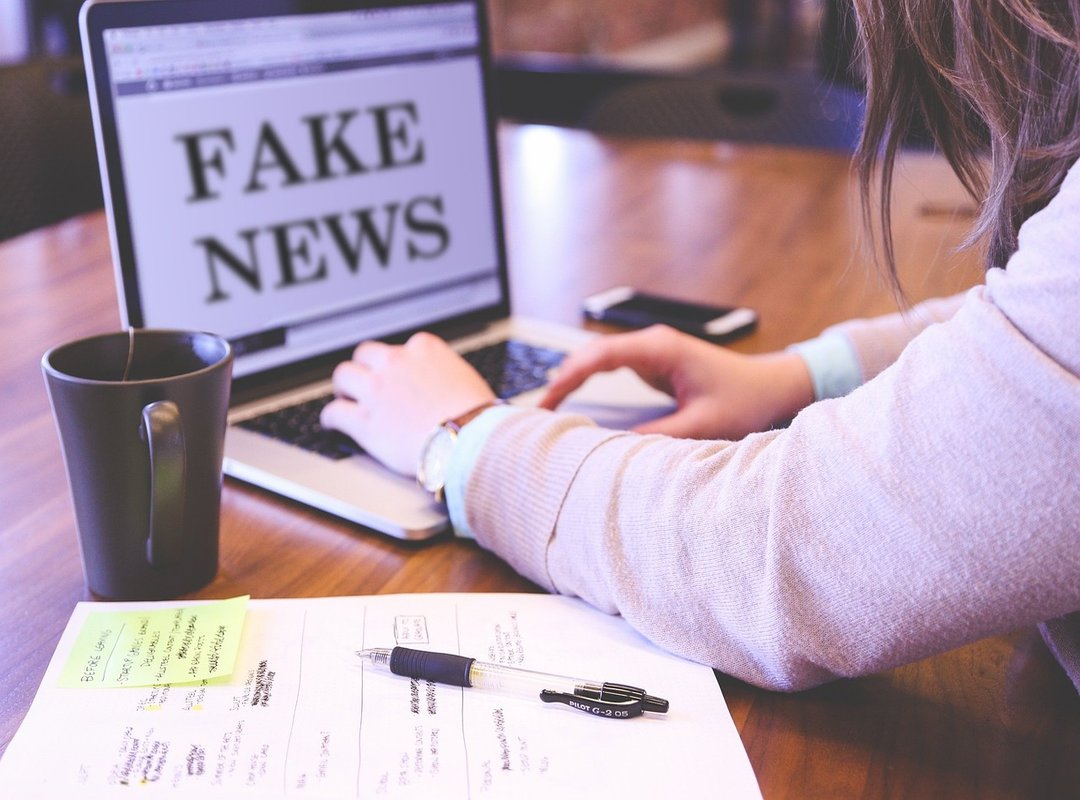
Digital misinformation can be devastating. It’s not just about the spread of false information; it’s about the real, human cost to those targeted.
Think about it. When a rumor spreads, it can cause severe mental health distress, anxiety, and reputational damage. Imagine being in the spotlight, and suddenly, everyone is talking about something that’s not true.
It’s like a fire that’s easy to start but nearly impossible to put out.
For creators, the impact can be even more direct. False rumors can lead to lost brand sponsorships and professional opportunities. A career built over years can crumble in days.
| Impact | Description |
|---|---|
| Mental Health | Severe distress, anxiety, and depression |
| Reputation | Damage to personal and professional image |
| Career | Loss of sponsorships and job opportunities |
Trying to remove false and defamatory content from the internet is a nightmare. It’s expensive and time-consuming. And even if you manage to get some of it taken down, the damage is often already done.
The violation of privacy and personal safety is profound. Not only does it affect the public figure, but it also impacts their family and friends. They become collateral damage in a digital war they didn’t start.
Take the case of andreea bostanica nud. The spread of false information about her led to a whirlwind of negative attention. Her life was turned upside down, and the road to recovery was long and arduous.
In the end, it’s crucial to understand the real-world harm of digital misinformation. It’s not just a matter of correcting a false story; it’s about protecting real people from real harm.
How to Become a Smarter and More Responsible Digital Citizen
Recap the main point: online searches and shares have real consequences, and being informed is the best defense against misinformation.
Always question the source of sensationalist content. This simple step can help you avoid falling for misleading information.
Perform a reverse image search on suspicious photos. This can reveal if an image has been manipulated or used out of context.
Avoid sharing unverified claims. If you’re not sure about the accuracy of something, it’s better to err on the side of caution.
Instruct the reader on how to report harmful or fake content on major social media platforms like Instagram, TikTok, and X (formerly Twitter). Most platforms have clear guidelines and reporting mechanisms in place.
Encourage a shift in mindset from passive consumption to active, critical thinking about the media we encounter daily.
andreea bostanica nud
End with a powerful closing statement about the collective responsibility to create a safer and more truthful online environment for everyone.