I’ve written software for phones, cars, and weird industrial machines. It’s not magic. It’s just people solving problems with code.
Software Development Dtrgstech is the act of building programs (apps,) tools, websites, anything that runs on a computer. That’s it. No jargon.
No fluff.
You’re here because it feels confusing. Maybe you’re starting a project. Maybe you’re thinking about a career shift.
Or maybe your kid asked how their game works (and) you didn’t have a real answer.
I get it. Most explanations either drown you in terms or pretend it’s all easy. Neither helps.
This isn’t theory.
It’s what I’ve done, shipped, fixed, and broken. Then explained to non-coders for years.
You use software every day. Your phone? Software.
Your car’s dashboard? Software. Even your coffee maker (if it has an app)?
Yeah. Software.
So why trust this?
Because it skips the hype and sticks to what actually matters: clarity, realism, and what works.
You’ll walk away knowing how software gets made (not) in abstract terms, but step by step, person to person. No gatekeeping. No nonsense.
Just what you need.
What Software Development Actually Is
Software development is building stuff people use. Not magic. Not rocket science.
Just writing instructions a machine follows.
I’ve done it for fifteen years. It starts with a problem. Then you design a solution.
Then you write code. Then you test it. Then you fix it.
Then you ship it. Then you fix it again.
Software is the programs. Hardware is the metal and plastic in your hands. Confusing them is like mixing up a recipe with the oven.
You use software every day. Your phone apps. Your bank website.
That game your kid plays. Even your thermostat runs software. (Yes, really.)
It matters because it solves real problems. Like letting doctors share patient records fast. Or helping farmers track crops from soil sensors.
Or letting you order groceries while lying on the couch.
Think of it like building a house. Designing blueprints is planning features. Framing walls is writing core code.
Painting rooms is adding buttons and colors. And fixing leaks? That’s maintenance.
If you want to understand how modern tools get built, start with Dtrgstech. They show how teams actually ship things. Not theory.
Not buzzwords.
Software Development Dtrgstech isn’t about fancy titles. It’s about making something work. For someone.
On time.
You ever try using an app that crashes every time you tap “submit”? That’s what happens when development skips testing.
I skip the fluff. You should too.
How Software Actually Gets Built
I’ve watched projects die in planning. I’ve seen designs that looked great on paper (and) crashed on launch day. Software Development Dtrgstech isn’t magic.
It’s messy. It’s human.
First, you figure out what the thing does and who it’s for. Not just “a login screen”. But “Maria, 62, needs one tap to check her meds.”
If you skip this, you’re coding blindfolded.
(And yes, I’ve done that.)
Then design. How does it look? How does it feel?
Not just colors and fonts. How does Maria find that button without squinting?
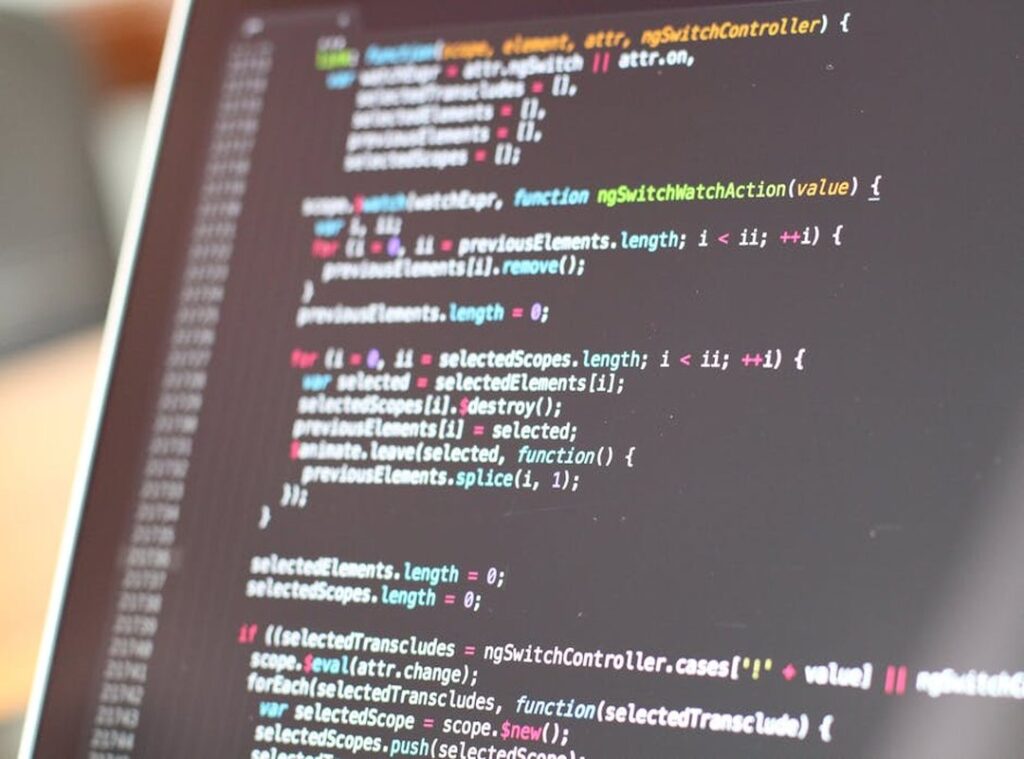
Next: coding. This is where rubber meets road. Or where your perfect design meets reality.
You write the code. You break it. You fix it.
You break it again.
Testing? That’s not a phase. It’s breathing.
Does it work when the Wi-Fi stutters? When Maria types her password wrong three times?
Deployment isn’t “done.”
It’s the start of maintenance (patches,) updates, angry Slack messages at 2 a.m. Because software doesn’t rest. Neither do we.
You think it ends there? Nope. It loops.
Always.
What You Actually Need to Build Stuff
I write code every day. You don’t need ten languages. You need the right one for the job.
Python is for data, scripts, and quick tools. JavaScript runs in browsers. It makes websites move and respond.
Swift builds apps for iPhones and Macs. Period.
IDEs are where you write, run, and fix code. Think of them as your workshop (not) just a text editor. VS Code and PyCharm are solid starters.
Try one. Stick with it.
Git tracks every change you make. It’s like saving 27 versions of a Word doc. But smarter.
You can go back. You can share work. You will need it.
React lets you build web interfaces faster than writing HTML by hand.
Frameworks and libraries? They’re pre-built pieces. Django gives you user logins and databases out of the box.
The Powers of Qaaas Dtrgstech shows how testing fits into real workflows (not) theory.
You’ll see Git, Python, and automation working together.
Start small. Pick one language. One IDE.
Learn Git basics this week. You’ll hit walls. That’s normal.
What’s not normal is waiting until you “know enough” to begin.
You already know more than you think.
Now go break something on purpose.
It Takes a Team
Software development is not a solo act.
It never was.
I’ve watched teams crumble when one person tried to do it all.
You need different brains thinking different ways.
A Software Engineer writes the code.
They build what’s asked for (and) sometimes what wasn’t asked for but should’ve been.
Project Managers keep time, scope, and people in line. They say no so the team doesn’t drown. (And yes, they get yelled at.)
QA Testers break things on purpose. They click every button twice. They type garbage into fields.
UI/UX Designers ask: “Does this feel obvious?”
Not “Does it look cool?” Not “Is it fancy?” Just: “Can someone use this without crying?”
They want it to fail (so) users don’t have to.
Business Analysts translate human needs into specs.
DevOps Engineers keep servers alive and deployments sane.
None of these roles are optional.
Skip one, and something breaks later (slowly,) expensively.
You think your team has all these roles?
Or are you pretending a dev can also design, test, and manage?
That’s why tools matter. Especially smart ones. Check out Why ai tools are important dtrgstech (it’s) not about replacing people.
It’s about giving each role room to do their real job.
Software Development Dtrgstech works when people stop doing five jobs at once.
You Already Know More Than You Think
I used to stare at code like it was ancient hieroglyphics. Turns out (it’s) not magic. It’s logic.
It’s problem-solving. It’s building things that work.
You don’t need a degree to start.
You just need one small win (like) printing “Hello, world” or making a button change color.
That confusion you felt? Gone. I saw it lift while you read this.
You’re past the hump.
Software Development Dtrgstech isn’t about perfection. It’s about trying, breaking, fixing, and shipping something real.
So what’s stopping you from opening that first tutorial right now? Not time. Not talent.
Just hitting start.
Try one 15-minute lesson today. No setup. No pressure.
Just you and a browser.
You’ll surprise yourself.
You already did.
Go build something.