I used to stare at my smart plug like it was speaking Klingon.
You know that feeling.
Home tech shouldn’t require a degree or a manual the size of a phone book. It’s not supposed to be confusing. And it definitely shouldn’t make you feel dumb for asking how the damn thing works.
This is the Home Tech Guide Mrstechland. Not theory. Not marketing fluff.
Just what I’ve learned after setting up (and breaking) dozens of devices in real homes.
You’ll learn how to pick the right gear (not) the flashiest, but the one that actually fits your life. How to get it running without calling tech support three times. How to use it so it helps instead of hassles you.
No jargon. No pressure to buy everything. No pretending this stuff is magic (it’s not).
You want control. Not confusion. Not frustration.
Just something that works (without) making you earn a PhD first.
That’s what this guide delivers. Clear steps. Real talk.
And zero tolerance for nonsense.
What Home Tech Actually Means
Home tech is just stuff in your house that hooks up to the internet.
It does things without you lifting a finger.
I call it home tech when my lights turn on before I walk in the door.
Or when my thermostat drops the heat while I’m asleep. And I didn’t touch a thing.
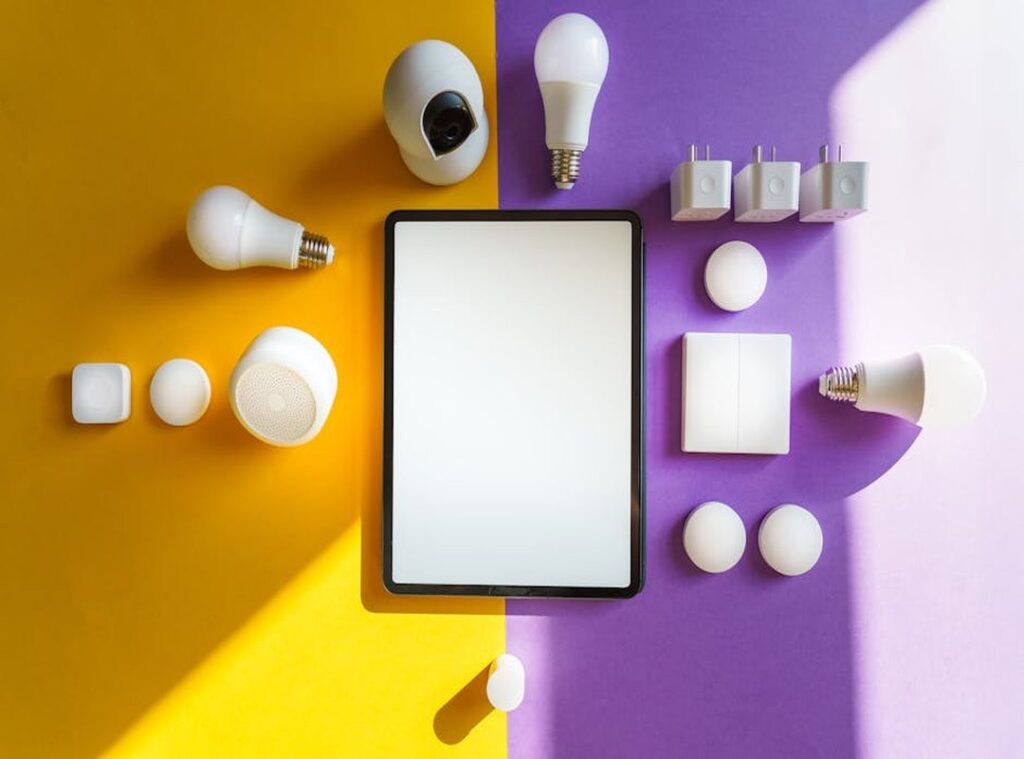
Smart speakers, lights, thermostats, cameras. Yeah, those count. They talk to each other.
They talk to your phone. Sometimes they even listen (and that’s weird).
Convenience? Yes. Saving energy?
Absolutely (if) you actually use the settings instead of ignoring them. Safer home? Only if you check the camera feed once in a while.
You don’t need all of it. Start with one thing that solves a real pain point. Not the shiniest gadget.
Not the one with the most buttons.
The Home Tech Guide Mrstechland helped me skip the hype. It’s blunt. It’s practical.
It tells you what works now.
Still think you need voice control for your toaster?
Ask yourself: do you really want Alexa knowing when you burn breakfast?
Pick One Thing. Then Another.
I bought a smart plug because I kept leaving the coffee maker on. It cost $12. It fixed the problem in five minutes.
You don’t need to wire your whole house. Start where the pain is loudest. Forgetting lights?
A smart bulb. Can’t hear the doorbell? A door camera.
Too hot at night? A smart thermostat.
I tried adding ten things at once. It broke. The apps crashed.
My wife yelled. (We use two different brands. Big mistake.)
Compatibility isn’t optional. If you own an Alexa, buy devices labeled “works with Alexa.”
Same for Google or Apple. Mixing brands without checking causes headaches.
Not magic headaches. Real ones.
Budget matters. A $30 smart speaker does more than most people realize. A $7 smart plug beats a $200 hub you’ll ignore.
There’s no trophy for spending the most.
My first setup: one plug, one bulb, one speaker. Three things. Took me 18 minutes.
Still works two years later.
Smart home tech isn’t about control. It’s about stopping small stupid problems before they happen. That’s why I keep coming back to the Home Tech Guide Mrstechland.
It skips the hype and names what actually works. You want proof? Try the plug.
Then decide if you need more.
Smart Gadgets Setup Is Not Rocket Science
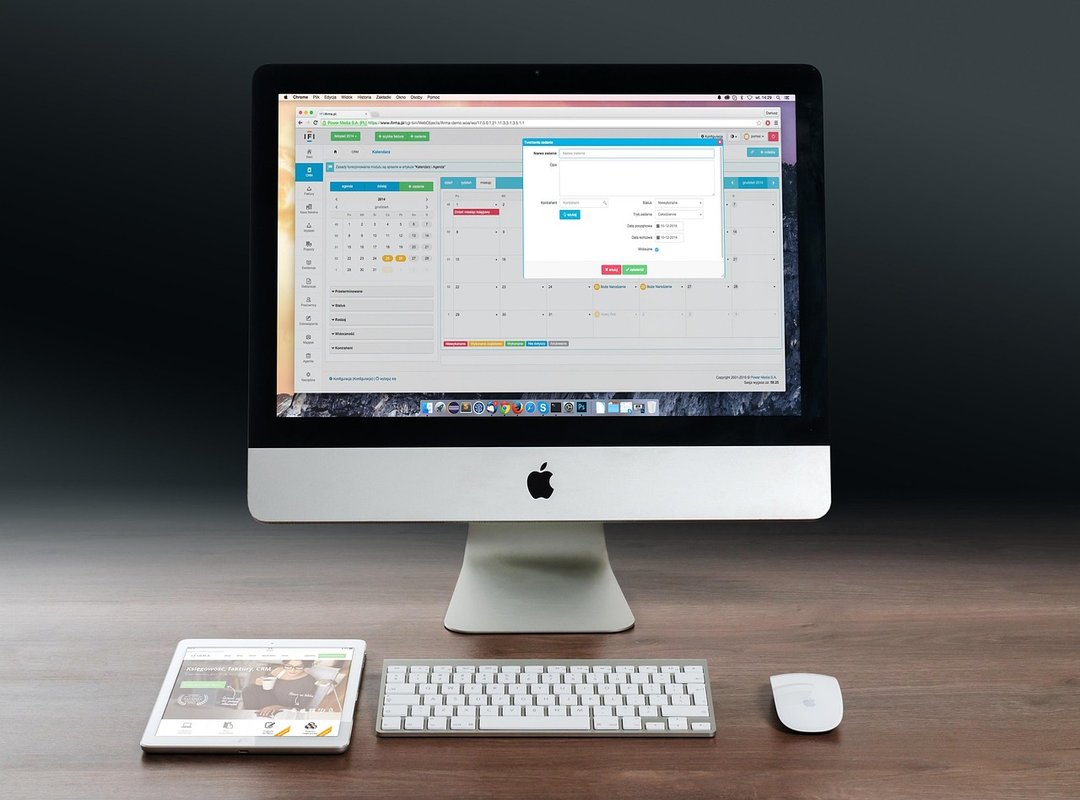
I unbox. I plug in. I download the app.
That’s it.
You do not need a degree. You do not need to read the 87-page manual. Just the quick start guide that came in the box.
(Yes, that little folded paper. It’s there for a reason.)
Open the app. Connect your phone to Wi-Fi. Hold your phone close to the gadget.
If it fails? Your Wi-Fi signal is weak. Or you’re standing across the house.
Move closer. Try again.
You will create an account. Do not use “password123”. Do not reuse your coffee shop login.
Strong passwords matter. So does two-factor authentication. Turn it on.
Setup takes five minutes. Or twenty. Or an hour.
I’ve sat there swearing at a blinking light for forty minutes. It happens. Breathe.
Restart the app. Ask a friend. Watch a real tutorial (not) some guy with fake energy and zero patience.
This is where the Home tech mrstechland guide helps. It walks you through real problems (not) theory. No fluff.
Just what works.
You think your router is fine until the gadget says “Connection failed.”
Check your Wi-Fi name. Some gadgets hate special characters or spaces. Rename your network to “LivingRoomWiFi” if you have to.
Patience is not optional.
It’s the only tool you actually need.
You’re not behind. You’re not slow. You’re just setting up hardware made by people who assume you already know everything.
You don’t have to.
That’s why this exists.
Smarter Homes Start With Real Habits
I set my lights to turn on at sunset. Not because it’s fancy. But because I forget to flip switches when my hands are full of groceries.
(Same with the thermostat. It drops two degrees when I leave. Saves money.
No willpower needed.)
Voice commands? I say “Hey Google, lock the front door” while walking out. Works 90% of the time.
The other 10%? I yell louder. Or walk back and do it manually.
(You’ll learn which devices actually listen.)
Remote access saved me once. My dog knocked over a lamp. I turned off the power from a coffee shop.
You don’t need that level of control every day (but) it’s there.
Firmware updates feel boring until your camera stops working. I check for them monthly. Skip one update?
Fine. Skip three? Good luck fixing the bug later.
New features roll out slowly. Last month, my blinds started closing at dusk without me setting it. I had to dig into the app to find the toggle.
Turns out, it was hiding under “Smart Suggestions.” (Yeah, I rolled my eyes too.)
This is all part of the Home Tech Guide Mrstechland. Not magic, just habits layered on top of hardware.
If you’ve ever wondered how games evolve alongside tech, How Rocket League Has Evolved Mrstechland shows how fast things move.
Your Smarter Home Starts Today
I used to stare at smart plugs like they were alien artifacts.
You probably have too.
Tech confusion is real. It’s frustrating. It makes you feel like you’re falling behind.
This Home Tech Guide Mrstechland didn’t hand you jargon. It gave you a path (starting) small, checking compatibility, doing simple setups. That works.
I’ve done it. You will too.
So what’s your first device? The light bulb you always forget to turn off? The thermostat that runs your bill up?
Pick one. Just one.
Buy it. Unbox it. Plug it in.
Follow the app. Done.
That’s all it takes to break the cycle. No more guessing. No more “I’ll figure it out later.”
Your home doesn’t need to be perfect.
It just needs to work for you.
Go ahead. Take that step.
Then come back when you’re ready for the next one.