
Remember that first time you hit a ball with a car? I did. It felt stupid.
Then addictive. Then impossible to stop.
You probably heard about Rocket League from a friend. Or saw a highlight reel. Or just stumbled on it in the Steam sale.
It launched in 2015 and blew up fast. Not because it was perfect (it) wasn’t. But because it worked.
Simple controls. Big hits. No filler.
Since then, it’s changed. A lot. Some updates made sense.
Others confused everyone. A few pissed people off (looking at you, competitive rank reset).
But here’s what matters: How Rocket League Has Evolved Mrstechland isn’t just about patch notes. It’s about why the game still feels fresh when so many others fade.
We’ll walk through the big shifts. New modes, cross-platform play, the shift to free-to-play, how Esports shaped its design.
No fluff. No hype. Just what actually moved the needle.
You’re wondering if it’s still worth playing. Or why your cousin still talks about that one goal from 2017.
This article answers both. You’ll see how each change built on the last. Why some stuck.
Why others vanished. And why, eight years later, people still queue up at midnight for ranked.
Before Rocket League Got Serious
I played SARPBSC. You probably didn’t. It flopped hard.
(It was basically Rocket League with worse physics and zero polish.)
Psyonix learned fast: nobody cares about rocket cars unless the ball feels right. They cut the clutter. Kept the core idea (cars) + rockets + soccer (and) rebuilt everything around it.
How Rocket League Has Evolved Mrstechland starts here. That early failure taught them to trust the fun, not the flash. Mrstechland covers how those early lessons shaped what came next.
They had three people. Maybe four. No budget.
Just stubbornness and a working prototype.
The ball bounced weird. Cars handled like shopping carts. But the idea clicked.
One thing at a time.
So they fixed the bounce. Then the steering. Then the net physics.
You think big studios make great games? Nah. Small teams with sharp focus do.
Psyonix bet on one idea and ground it out.
Would you ship something that felt this broken? I wouldn’t. But they did.
And then fixed it in public.
That’s how you earn trust. Not with hype. With updates.
The Free PS Plus Explosion
Rocket League launched in July 2015. I remember booting it up on my PS4 (no) fanfare, just a weird soccer-car game with zero marketing budget.
Then Sony dropped it on PlayStation Plus. For free. Just like that.
You know what happened next? Millions of people grabbed it. Not “a few thousand.” Not “steady growth.” Millions. Overnight.
That move didn’t just help Rocket League. It proved the game had legs. Real ones.
Before PS Plus, people weren’t sure. Was it a gimmick? A novelty?
After? Everyone was playing. Streaming blew up.
Local tournaments filled bars. My cousin (who) never touches shooters (was) doing aerial saves before breakfast.
This wasn’t slow-burn traction. It was a detonation.
And it set the stage for everything after: the esports push, the cross-play rollout, the seasonal updates. How Rocket League Has Evolved Mrstechland starts right here. Not with code or servers, but with one bold, free decision.
People ask how a small studio beat giants. Answer: they gave it away first.
No gatekeeping. No paywall. Just cars.
And goals.
You ever try to explain Rocket League to someone who’s never seen it? (Spoiler: they always get it in under ten seconds.)
That clarity. That instant hook. Is why it stuck.
More Than Just Soccer With Cars
I played Rocket League the day Hoops dropped.
It felt like cheating physics. Basketballs, rims, no gravity rules.
Snow Day came next. Slippery ice. Bouncy snowballs.
You either loved it or rage-quit trying to control your car.
Dropshot made me rethink every pass I ever threw. Break the floor. Score through holes.
It wasn’t soccer anymore. It was chaos with purpose.
New arenas weren’t just skins. They changed how you moved. How you timed jumps.
How you read the ball. Some had walls that bent light. Others tilted mid-match.
(Yes, really.)
Car customization blew up fast. New bodies. Decals that actually lined up right.
Wheels that didn’t look bolted on by a toddler. Rocket boosts got colors. Sounds.
Personalities.
This wasn’t fluff. It was identity. You showed up as you, not just another blue wedge.
How Rocket League Has Evolved Mrstechland is something I still check in the Home tech guide mrstechland when I’m comparing update cycles across games.
Players stayed because the game kept breathing. Not with DLC drops. Not with paywalls.
With real reasons to log in and try something stupid.
You ever spend 20 minutes just testing how high a snowball bounces off a ramp? Yeah. Me too.
How Rocket League Went Pro
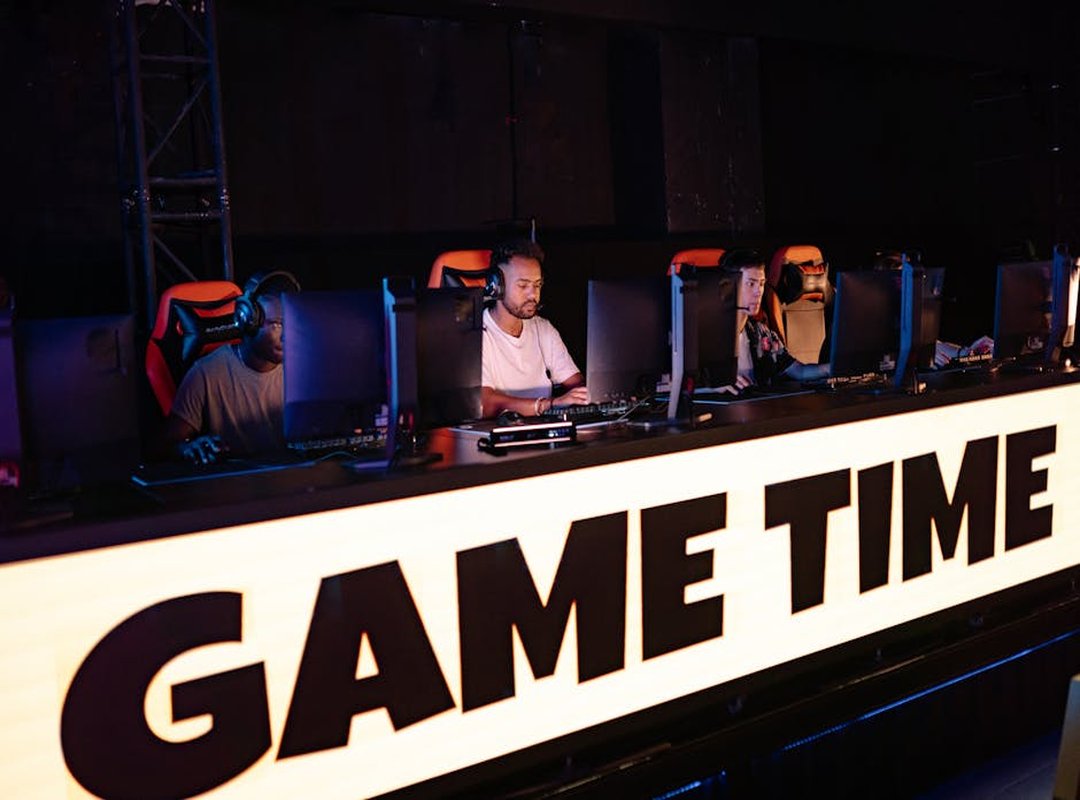
Rocket League exploded as an esport because it was simple to watch and hard to master.
I watched the first RLCS finals in a basement with friends (no) fancy production, just raw skill and wild car flips.
The RLCS launched in 2016 and gave players a real path: tryouts, leagues, prize pools, and actual contracts. It wasn’t just hype. It was structure.
Teams like NRG and Team Vitality built rosters, hired coaches, and practiced eight hours a day. You think that’s overkill? Try hitting aerials consistently under pressure.
Watching pros made me pick up my controller again (immediately.)
Same for thousands of others.
They weren’t just playing. They were studying rotations, shot timing, boost management. No one handed them a playbook.
They reverse-engineered it from VODs.
How Rocket League Has Evolved Mrstechland is obvious if you’ve seen a high-stakes match lately. Bigger stages, tighter mechanics, smarter teamplay.
Casual players stopped spamming shots and started holding positions. They learned defense isn’t passive. It’s calculated.
I still miss the early chaos (the) unscripted bounces, the lucky goals (but) the game earned its pro status. Not because it got flashy. Because it got serious.
How Rocket League Got Real
I watched Psyonix get bought by Epic in 2019. It felt weird at first. Like your favorite indie band signing to a major label.
Then they went free-to-play. Overnight, my Discord blew up with new players. Not just teens (my) cousin’s 42-year-old husband downloaded it and played for six hours straight.
(He still hasn’t beaten me.)
Rocket Pass replaced random drops. You grind, you earn, you flex. No paywall (but) yeah, the shop’s always open.
Cross-play meant I could squad with my Xbox cousin while I’m on PC. No more platform gatekeeping. Just cars, goals, and chaos.
How Rocket League Has Evolved Mrstechland is something I still think about when I see new players stick around past week one. They’re not just playing. They’re in.
Want to see how that same energy shows up elsewhere? learn more
Rocket League Isn’t Done Yet
I remember booting it up for the first time. Just cars, a ball, and zero idea what I was doing. It worked. How Rocket League Has Evolved Mrstechland isn’t just about new maps or cosmetics.
It’s about staying fun when most games fade.
You wanted proof it still matters. It does. The updates landed.
The community stayed loud. The gameplay never got stale.
You’re tired of games that ask for more time but give less joy. Rocket League gives back. Every match.
Every season. Every weird new mode.
So jump in. Try Dropshot. Watch an RLCS final.
Relearn the air dribble.
Don’t wait for “the right time.”
There is no right time. Just now, and the game you already love.
Go play.